
A financial inheritance can give the next generation the means to make decisions. A human inheritance can give them something to draw on when they make them.
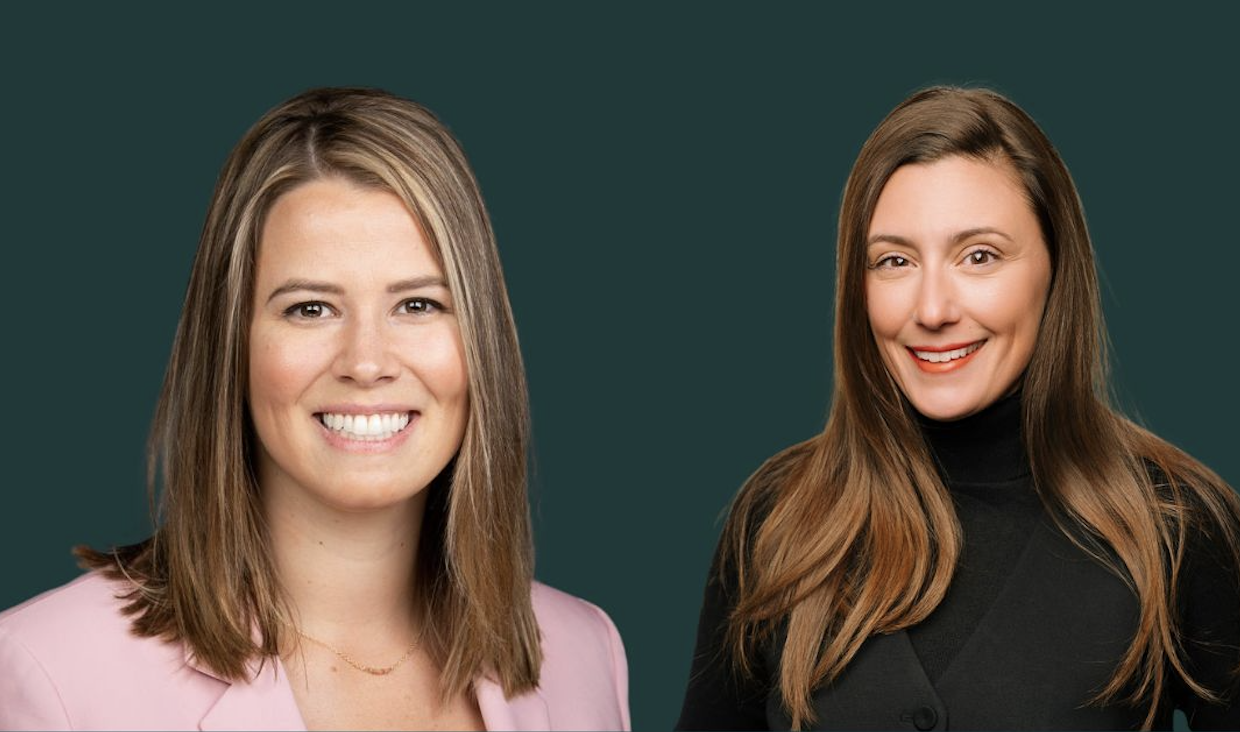
By Torri Hawley, Tamarind Learning and Elena Iacono, Founder of LegacyNex
Wealth management has always been about people. Behind every financial plan is someone deciding how they want to live, what they want for their family and what they hope comes next. Behind every estate plan are relationships, expectations and hopes that no statement or legal document can fully hold.
Still, the language of our industry leans toward what can be counted: assets, returns, tax efficiency, estate values. All of it matters. But what would it really look like to put the person at the centre of financial advice — and what changes when we mean it?
Having a Human in the Room Isn't the Same as Human Advice
As technology gets smarter, the industry is talking more about the value of human advice. IG Wealth Management's November 2026 Financial Confidence Index found that 57% of Canadians believe human financial advice is becoming more important in the age of artificial intelligence and amid rapid change.
That number tells us something beyond technology. Having a person across the table doesn't make advice human, and two people talking doesn't make a conversation personal.
Human advice means understanding the people behind the decisions — what matters to them, what shaped them, what keeps them up at night and what they hope their children will understand. It means knowing that a financial decision can carry emotional and family consequences far beyond its dollar value. And it means accepting that getting a family ready for the future takes more than getting the assets ready. That's where it gets interesting.
Knowing a Client Isn't the Same as Understanding a Family
An advisor may know a client's goals, risk tolerance, retirement plans and estate wishes. But how much does that tell them about the family?
Do the children understand what might come with an inheritance? Can the family talk openly and make decisions together? Do they know why their parents made the financial choices they did? And have the people building the estate plan had a chance to say what they want their family to know, beyond what they plan to leave them?
These aren't side questions. They shape how families get through transitions, understand one another and make decisions long after the estate plan has done its work.
IG Wealth Management's 2026 Annual Estate Planning Study found that while 84% of Canadians consider an estate plan important, only 41% have one in place. That gap matters. But even when the legal and financial work is done, one question remains: have we prepared the people as carefully as we've prepared the plan?
The Heart and the Mind Belong in the Same Conversation
To handle wealth well, families need more than information. They need understanding.
The mind brings knowledge, structure and financial literacy — the ability to understand responsibilities and take part in money conversations with confidence. The heart brings perspective, relationships, lived experience and a sense of the values behind a family's choices. We tend to treat them separately. In real life, each shapes the other.
Think of a business owner getting ready to hand the company to the next generation. The technical work covers valuation, tax, governance and succession. But the family may also need to understand the sacrifices and convictions that built the business over decades. They may need help talking through different expectations, and the confidence to honour the past without feeling bound by it.
Financial planning builds the structure for that handover. Human understanding helps people make sense of it. The heart explains why; the mind helps families act. Neither is enough on its own.
Widening What Advice Can Include
Once we see advice this way, there's room for advisors to bring in expertise beyond the traditional financial disciplines.
Through Tamarind Learning, families build the knowledge, skills and confidence to engage with wealth and the responsibilities that come with it. Education and facilitated learning give each generation room to talk, ask questions, understand different points of view and prepare for what's ahead.
Through LegacyNex, people are invited to share their Human Inheritance™ — what living has taught them. A guided interview gives them space to reflect on how their thinking has changed and what they've come to understand about life. Those conversations become a written narrative and an edited recording in their own voice, something their family can come back to again and again. What the family receives is more than a record of events. They come to understand how someone they know — or thought they knew — sees the world.
The two work differently, and they work well together. One helps a family build the ability to handle what's ahead; the other gives them access to the experience and perspective that can guide them along the way. Both recognize that knowledge, understanding and connection carry value beyond money, and both give advisors meaningful ways to extend the care they already provide.
What This Means for the Advisor Relationship
Understanding a client's finances is essential. Understanding the family those finances will affect makes the advice matter more.
When advisors open the door to conversations about values, family responsibilities and lived experience, they get to know clients in ways a financial statement never shows. They may learn why a client avoids talking about inheritance, what worries a parent about their kids, or why a family business means far more than its valuation. They may also help families start conversations they've put off for years — often simply because no one could find the right moment or the right words.
None of this asks advisors to become family educators or historians. It asks them to recognize when to bring the right expertise into the relationship. That lets them help families with parts of wealth planning that matter deeply, even when they don't show up on a balance sheet.
Clients are more than people with portfolios. They're parents, children, grandparents, spouses and business owners whose decisions have been shaped by a lifetime of experience. Understanding that experience is part of understanding the client.
What Technology Can't Do
Technology will keep changing wealth management. Information will be easier to find, analysis sharper and many processes faster. Those are real benefits for advisors and clients alike.
But the better the tools get, the more one question matters: what does the human relationship offer that nothing else can? Passing along information is only part of it. The deeper value is understanding what that information means to a particular person or family.
A projection can show what happens if a business is sold. It can't tell an advisor what that business means to the person who spent forty years building it. An estate plan can spell out who gets what. It can't explain why a parent made the choices they did, or what they hope their children will understand about them. An inheritance can create opportunity. It doesn't come with the judgment, confidence or perspective to use it well.
Technology can make advice better and more efficient. The human side still needs attention to context, relationships and experience that no data set can hold. The opportunity is in using each where it does the most good.
A Fuller Picture of Legacy
We usually talk about legacy as what someone passes on — assets, property, a business, charitable gifts. But everyone also builds something that can't be measured in dollars: judgment earned through hard decisions, perspective gained through experience, values tested over time, a sense of what matters and what lasts.
Those things are valuable beyond the person who holds them. Unlike money, though, they don't transfer on their own. They have to be shared and explored, and the people receiving them need the chance to ask questions, form their own understanding and decide what to carry forward.
This is where preparing the wealth and preparing the people become the same conversation — and where the line between heart and mind starts to disappear. Families need the knowledge and confidence to make their own decisions. They also gain a great deal from understanding the experiences, values and relationships that brought them here. The point was never for each generation to make the same choices. It's for each one to have more to draw on when making its own.
The Future of Human Advice
New technology, changing expectations and smarter tools will all shape the future of wealth management. Its lasting relevance will come down to something simpler. How well do we understand the people we advise? How carefully do we help families prepare for what's ahead? And how much attention do we give to the knowledge, relationships and lived experience that give wealth its meaning in the first place?
A more human approach doesn't ask advisors to give up the disciplines that define good planning. It asks them to widen their sense of what those disciplines are for. Wealth planning was always about more than managing assets well. It's about helping people use those assets to support the lives, relationships and futures that matter to them.
As wealth moves from one generation to the next, the greatest opportunity for human advice may be making sure understanding goes with it.
Research references
IG Wealth Management — 2026 Financial Confidence Index, November 2026. Research conducted by Ipsos.